Motorcycle Sprocket Wear: Reading the Teeth Before They Fail
 kristina estep
4 min read
July 1, 2026
Riders often replace a chain on schedule and leave both sprockets in place, on the theory that steel lasts longer than the chain. A worn sprocket will destroy a new chain in a few thousand miles, and it gives plenty of warning first.
The hook shape
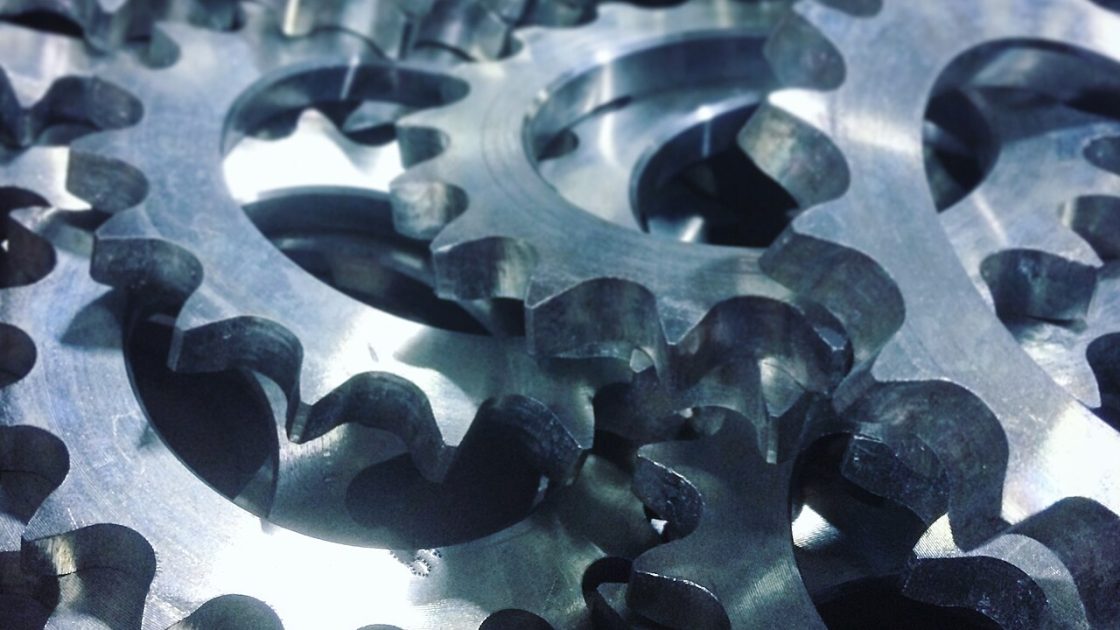
Look at the rear sprocket from behind the bike, at eye level with the teeth. A healthy tooth is symmetric. A worn one is scooped on the drive side, so the tip leans like a wave breaking.
That hook is the chain pulling the tooth over thousands of miles. Once the hook is pronounced, the chain no longer sits in the valley and starts climbing the flank under load.
Run a thumb across the teeth from the front face towards the tip. A worn sprocket feels sharp on the drive side and rounded on the back, and the difference is obvious once you know to look for it.
Front sprocket wears first
The front sprocket turns several times for every rear rotation and has fewer teeth sharing the load. It usually wears out two to three times faster, and it is hidden behind a cover that almost nobody removes.
Take the cover off at every chain adjustment. A front sprocket with curled tips is the most common cause of a drivetrain that feels rough despite a fresh chain.
Chain length as a wear gauge
Measure twenty links against the specification. A chain stretched past about one percent of its original length has already damaged the sprocket profiles it ran on.
Fitting a new chain to hooked sprockets produces a distinctive symptom: the chain runs tight, then loose, then tight again as it rotates. That variation is the chain riding up and down the worn flanks.
A chain that is only slightly stretched can still chew a soft sprocket quickly, because the load lands on fewer teeth as the pitch grows. The two parts wear each other, which is why sets exist.
Material and hardening
Hardened steel sprockets cost more and last measurably longer than stamped mild steel. Aluminium rear sprockets save weight and wear quickly, which is acceptable on a race bike and poor value on a commuter.
Look for a hardness figure or a known hardening process rather than a brand claim. A soft sprocket paired with a strong chain simply moves the wear to the cheaper part.
Ratio changes and wear
Dropping a tooth at the front or adding two at the rear changes gearing noticeably. It also changes chain load and can shorten life if the new ratio pushes the chain against the swingarm guide.
Check clearance after any ratio change. A chain rubbing a guide will wear through it and then through the swingarm.
Keep the old set for a season if you ride in salt. A worn chain and sprockets that still function make a cheap sacrificial set for the worst weeks of winter.
When to replace as a set
Replace chain and both sprockets together if the sprockets show hooking, or if the chain has gone past its wear limit. Replacing only the chain on worn sprockets doubles the cost over two seasons.
Inspect the cush drive rubbers at the same time. Worn rubbers let the sprocket rock, which accelerates the very wear you are trying to remove.
The chain gets the attention because it is visible and it moves. The teeth are where the diagnosis lives, and a two-minute look from behind the bike will tell you whether the next replacement is a chain or a full set.
None of this needs a lift or a specialist tool. A ruler, a torch and ten minutes at the rear wheel will tell you whether the next purchase is a chain or a set.
Keep a spare front sprocket if you ride high mileage. It is the cheapest part in the drivetrain and the one that most often spoils a chain that still had life left in it.
kristina estep
Logs parts and riding gear against distance and weather. Writes from the workshop, not the press launch.