Motorcycle Oil Change Interval: Miles, Months or Hours
 kristina estep
4 min read
September 6, 2026
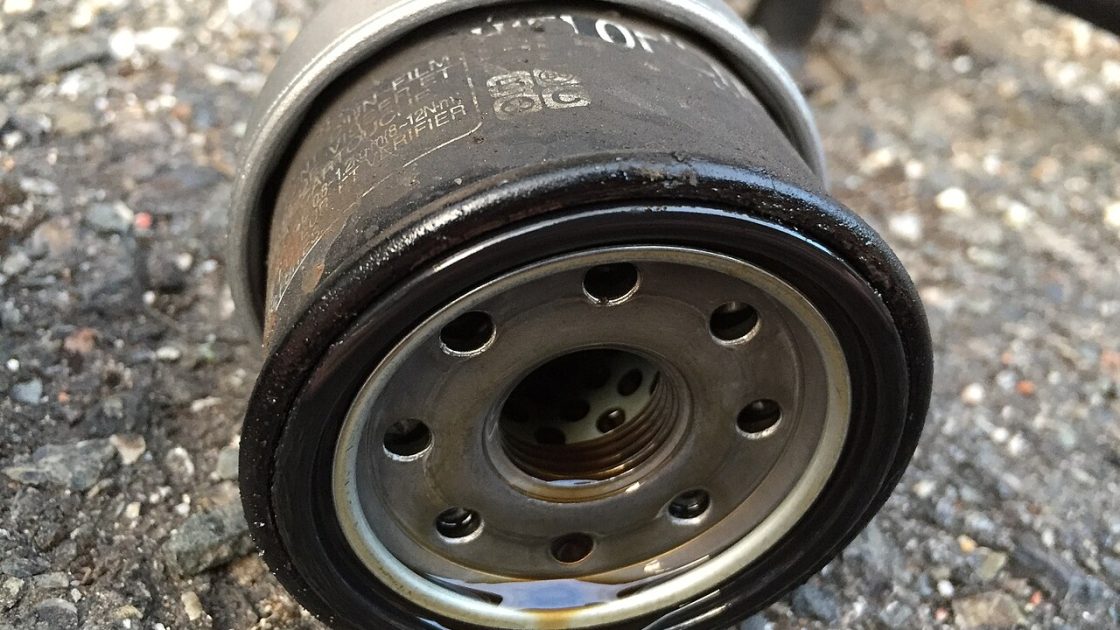
Oil change intervals are quoted in miles and treated as a target to beat. The number in the manual is one of three variables, and the other two are time and how the engine is actually used.
Why mileage alone is wrong
Oil degrades through heat cycles, contamination and additive depletion. An engine that covers five thousand motorway miles in a year does fewer heat cycles than one that covers two thousand miles of short city trips.
The city bike often needs the oil changed first, despite the lower odometer. That is the opposite of what the service sticker suggests.
Short trips are the worst case because the engine never reaches full temperature. Water and fuel accumulate in the oil and never boil off.
The time limit
Oil absorbs moisture from the air inside the engine even when the bike is not running. That is why most manufacturers specify a time interval alongside the mileage one, commonly twelve months.
A bike that covers very few miles still needs an annual change. The oil may look clean and still have lost the additives that protect against corrosion.
Bikes stored over winter benefit from a change before storage rather than after. Contaminated oil sitting in an engine for months does more damage than fresh oil doing nothing.
Reading the oil
Dark oil is normal and not a sign of failure. Modern oils contain detergents that suspend soot, and they turn dark quickly.
Milky or cloudy oil indicates water emulsion, which points at short trips, a failed head gasket or condensation. That needs investigating rather than another oil change.
Metallic sparkle in the oil is a different matter. It suggests bearing or cam wear and warrants a proper look before the next ride.
Filter and interval
Changing oil without the filter leaves a quantity of contaminated oil in the system. The filter is cheap and the labour is the same, so change both.
Some manufacturers specify a filter change every second oil change. Follow that if it is stated, and change it every time if the bike does short trips.
Check that the filter is the correct one for the engine. A filter with the wrong bypass pressure starves the top end when cold.
Oil specification
Use the viscosity and specification in the manual, not the recommendation of a shop that stocks one grade. Motorcycle oil has to cope with a wet clutch and a shared gearbox, which car oils are not formulated for.
Friction modifiers in some car oils cause clutch slip in a wet clutch. That is an expensive mistake to discover after a ride.
Fully synthetic oils resist heat better and cost more. On a small commuter with frequent changes, a good semi-synthetic is often better value.
Doing the change properly
Run the engine briefly to warm the oil, then drain with the bike upright. Cold oil drains slowly and leaves more behind.
Replace the drain plug washer, torque the plug to specification and check for leaks after the first ride. An over-tightened plug strips the sump, and that is an engine-out repair.
Fill to the specified quantity, run the engine, wait, then check the level with the bike upright and the dipstick seated correctly.
Keeping a record
Write the date and mileage on the filter or in a notebook. A service history with dates is worth more than one with only mileages, because it shows whether the time interval was respected.
Keep the receipts for the oil and filter. They cost nothing to store and they document what went in.
If the bike is sold, that record answers the question every buyer asks and cannot verify.
Miles, months and the kind of riding are all part of the interval. The city bike on two thousand miles a year needs the change before the tourer on eight, and the calendar is what the sticker never mentions.
kristina estep
Logs parts and riding gear against distance and weather. Writes from the workshop, not the press launch.