How to Tell If Your Motorcycle Brake Fluid Is Past Its Life
 kristina estep
4 min read
September 6, 2026
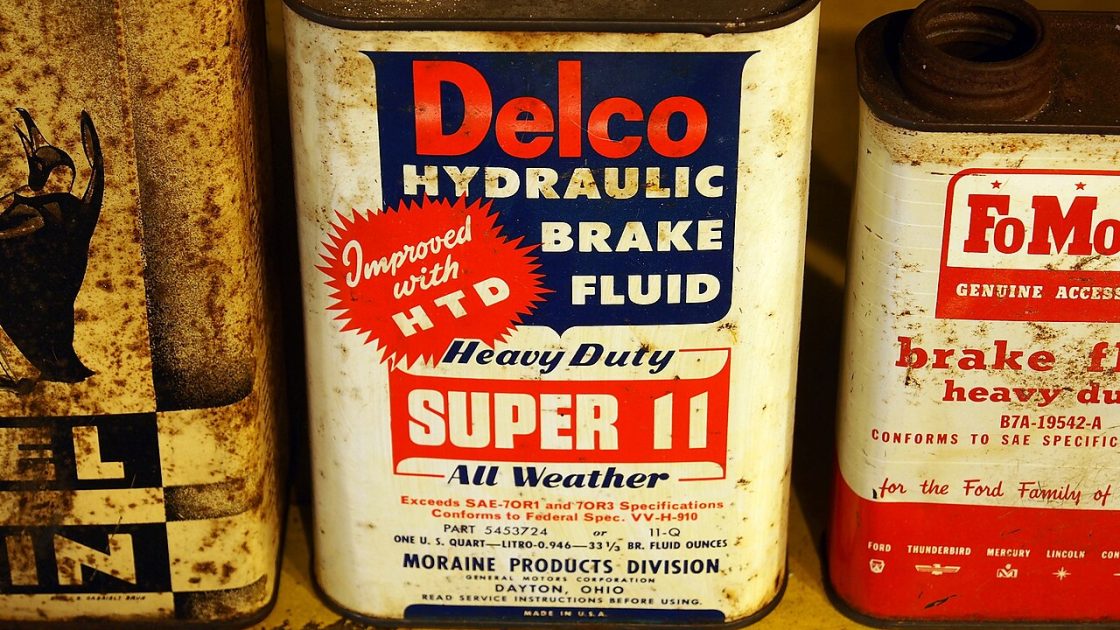
Brake fluid is judged by colour more often than by anything else, and colour tells you almost nothing. Dark fluid can still test within specification, and clear fluid that has absorbed water will boil earlier than it should.
What actually degrades
Glycol-based fluid is hygroscopic, which means it absorbs moisture from the air through the reservoir cap and the seals. That moisture lowers the boiling point, and a lowered boiling point is what causes a lever to go long on a hot descent.
The fluid itself does not wear out with use. Age and moisture do the damage, which is why the interval is measured in months rather than miles.
Dot 4 absorbs moisture more slowly than Dot 3 and has a higher dry boiling point. Dot 5.1 is glycol-based with a higher specification again, and it absorbs water faster, which shortens its useful life.
Testing instead of guessing
A cheap electronic tester reads moisture content as a percentage and gives a rough verdict. A boiling point tester is more accurate and more expensive, and most workshops have one.
For a road bike, anything above about three percent water content is due for replacement. Above four percent the margin at high temperature is gone.
Test at the reservoir and again at a caliper bleed nipple if the two readings disagree. Fluid near a hot caliper degrades faster, and the reservoir can look acceptable while the caliper end is not.
The two-year rule
Two years is the working interval regardless of mileage, because the fluid absorbs moisture while the bike sits. A bike stored in a damp shed can be out of specification in fourteen months.
A bike that lives in a dry garage and hardly moves may still test clean at three years. The tester is the tie-breaker, and it costs less than an hour of workshop time.
Track bikes and bikes used for repeated mountain descents need the fluid changed more often than the calendar suggests. Heat cycles accelerate moisture absorption, and a soft lever at the bottom of a pass is the usual result.
Symptoms you can feel
A lever that feels firm cold and goes soft after a series of hard stops is the classic sign. The fluid is boiling at the caliper and creating gas, which compresses where liquid would not.
A pedal or lever that slowly sinks while held at a standstill points at a leaking seal rather than old fluid. Those are different faults and they need different fixes.
A lever that feels spongy from cold usually has air in the system rather than old fluid. Bleeding is the fix, and changing the fluid at the same time saves a second visit.
Changing it properly
Flush from the caliper upwards, pushing new fluid through until clean fluid appears at the reservoir. Pushing from the top down stirs the sediment that has settled in the caliper.
Use fresh fluid from a sealed container and discard what is left. An opened bottle absorbs moisture within weeks, so a half-used bottle from last season is not a safe top-up.
Do not let the reservoir run dry during a flush. Air drawn in at the top has to be bled out at the bottom, and that turns a twenty-minute job into an hour.
Dot grades and mixing
Dot 4 and Dot 5.1 are glycol-based and can be mixed in an emergency. Dot 5 is silicone-based and must never be mixed with glycol, because the two separate and leave the system with no consistent fluid.
Check the cap before topping up. Putting the wrong grade in a system is a bigger problem than running a slightly old fluid a few more weeks.
Test the fluid, not the colour, and replace it on the calendar if the tester is not to hand. A lever that stays firm when hot is the whole point.
Colour is a rumour and the calendar is a rough guide. A moisture reading is the actual answer, and it takes less time than reading the label on the bottle.
kristina estep
Logs parts and riding gear against distance and weather. Writes from the workshop, not the press launch.