Motorcycle Chain Rust After Rain: Fix or Replace
 kristina estep
4 min read
May 30, 2026
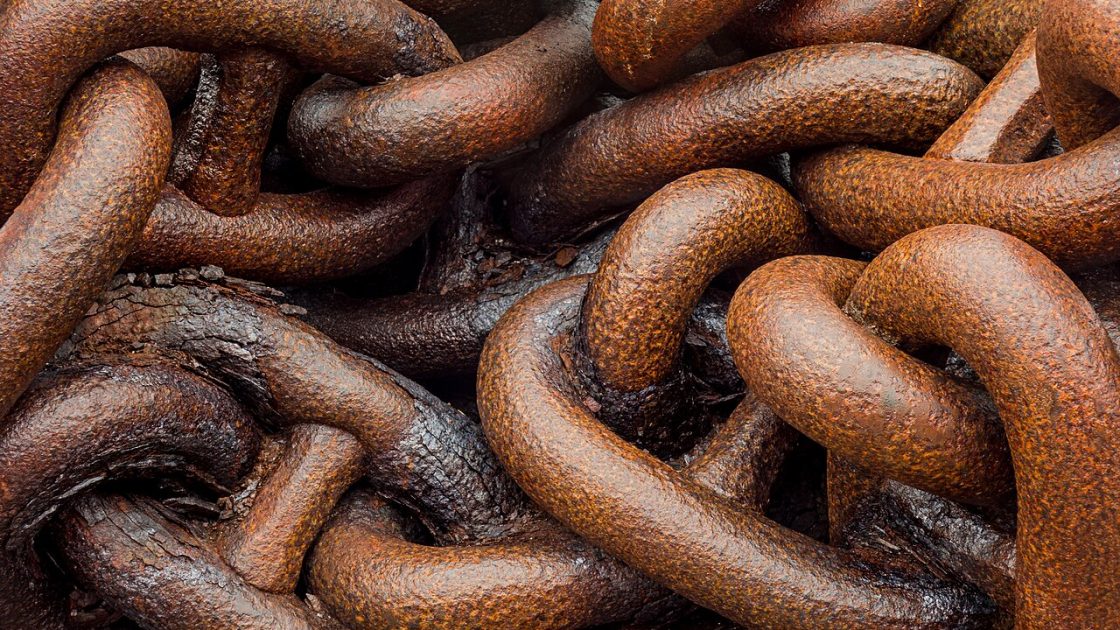
A chain that shows orange after a wet weekend is usually fine, and a chain that looks clean can already be scrap. Surface rust on the outer plates is cosmetic, while rust at the pins is terminal, and the two look similar in a photograph.
Surface rust versus pin rust
Outer plate rust is a film on the metal, sitting on top of the plating. Wipe it with an oily rag and the metal underneath is intact, which means nothing structural has happened.
Pin rust shows as brown grease weeping from under the seals, or as stiff links that will not flex by hand. That is water inside the sealed area, and the grease that was protecting the pin is gone.
A wire brush on an angle grinder removes plating along with the rust, and bare steel rusts again within a week. Hand tools and patience are the right approach on a plated chain.
Cleaning surface rust properly
Scrub the plates with a brass brush and a little paraffin, working along the chain rather than across the seals. Brass is softer than steel and will not scratch the plating.
Dry the chain thoroughly, then apply a corrosion-inhibiting lube while the metal is still warm. A wax product will seal the surface, but a heavier grease holds better if the bike lives outdoors.
The stiff link test
Rotate the chain slowly by hand and feel each link as it passes over the rear sprocket. A stiff link resists the bend and then snaps through, which you can feel through the wheel.
Work a drop of penetrating oil into a stiff link and flex it by hand for a minute. If it frees up and stays free, the chain has life. If it stiffens again within a week, the pin is corroded and the chain is done.
Rust that returns in the same two or three links after cleaning is a seal problem, not a weather problem. Those seals are letting water in and grease out, and the chain is on its way out.
What causes rust in the first place
Rain is only half the story. Condensation inside a cold garage does as much damage, because the chain stays wet for days without airflow. A bike parked outside in the wind dries faster than one tucked in a damp shed.
Salt on winter roads is worse than rain by a wide margin. It holds moisture against the plates and it attacks the plating directly, which is why winter bikes rust in places summer bikes never do.
Prevention that works
Dry the chain with a rag after a wet ride, then lube it. That single habit prevents most of the rust that gets blamed on cheap components.
Use a corrosion-inhibiting spray on the plates, not just a lubricant inside the rollers. The plates are the part that rusts visibly, and they need their own protection.
If the bike sits for weeks, turn the wheel occasionally and re-lube. A chain that never moves holds moisture in the same spots.
Ride the bike briefly after lubing so the lube distributes, then wipe the plates once more. A chain that sits still after application keeps the excess in one place and attracts grit.
When replacement is the cheaper answer
Multiple stiff links, brown grease at the seals, or a chain that has gone past its wear limit all point the same way. Cleaning a chain with corroded pins is work that buys a few hundred miles at best.
Replace it before it damages the sprockets. A chain that snaps at speed can crack a casing, and that turns a cheap part into an engine-out repair.
Judge the chain by the pins, protect it after every wet ride, and the cosmetic orange stops being something to worry about.
Orange plates after a wet ride are a reminder, not a verdict. The verdict comes from the pins, and the pins are checked by hand, not by looking at the outside of the chain.
kristina estep
Logs parts and riding gear against distance and weather. Writes from the workshop, not the press launch.