Heated Grips vs Heated Gloves for Winter Commuting
 kristina estep
4 min read
July 29, 2026
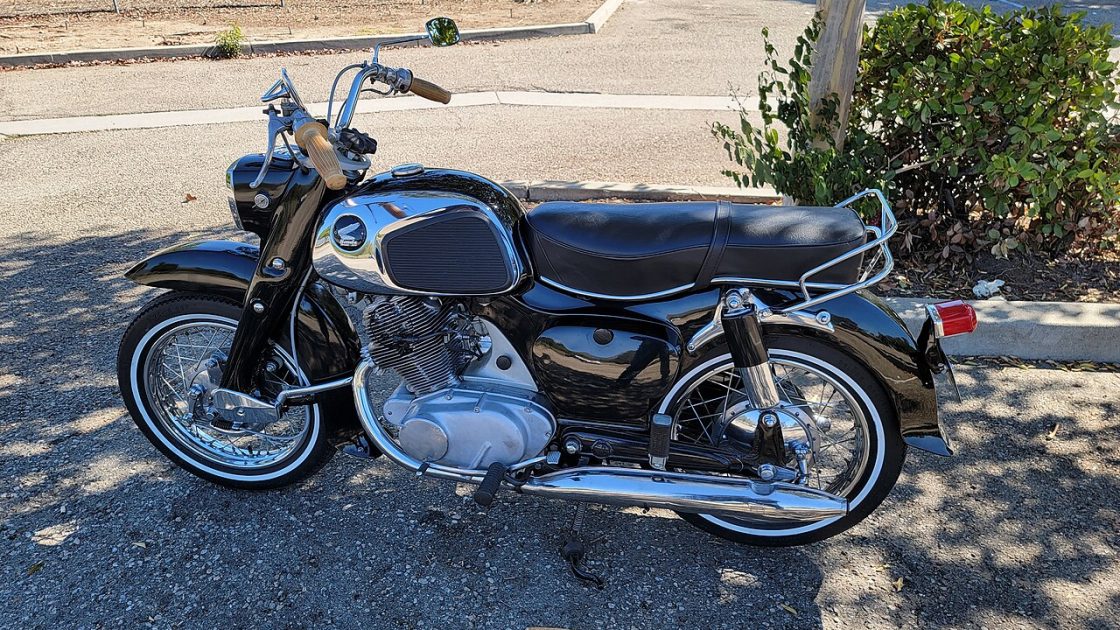
Heated grips are fitted as the winter solution and they warm the wrong side of the hand. Heat travels from the palm outward, and the fingers and knuckles that go numb first are the last to benefit.
Where heat is lost
The back of the hand and the fingertips face the wind and lose heat fastest. Grips heat the palm, which is pressed against the bar and already warm by comparison.
The result is a hand that feels warm in the middle and numb at the ends, which is exactly the sensation riders complain about with grips on full power.
Handguards that block wind do more for the fingertips than an extra heat setting, because they stop the loss rather than adding heat.
Heated grips: the practical case
Grips are permanently fitted, wired to the bike and impossible to leave at home. For a commuter who rides the same route daily, that reliability is worth a lot.
They also warm the bar itself, which keeps the controls pleasant to touch with thin gloves. That matters on a short ride where gloves never get a chance to warm up.
Power draw is modest and most bikes can run them without an issue, though a small-capacity bike with a weak charging system deserves a check.
Heated gloves: the effective case
Heated gloves put elements over the back of the hand and along the fingers, which is where the blood flow and the heat loss are. The difference on a cold ride is immediate and obvious.
They need a battery or a wired connection, and both are a friction. A glove with a battery is heavy and the battery lives in the cuff, which some riders find awkward.
Wired gloves connect to the bike and never run flat, but the cable has to be routed so it does not catch the bars or pull at full lock.
Gloves and grips together
Heated grips and heated gloves are not mutually exclusive, and the combination is what most winter commuters end up with after a season of experimenting.
Grips keep the palm and the controls warm on short trips; gloves handle the fingers on long ones. Running both at moderate settings is more comfortable than either at maximum.
Check that the glove’s heated element is not damaged by the grip heat. Two heat sources working on the same area can make the palm uncomfortably hot while the fingers stay cold.
Wind protection first
Handguards and bar muffs reduce heat loss dramatically and cost less than either heating system. A rider with muffs often does not need heated gloves at all.
Muffs are awkward in traffic and interfere with the controls on some bikes. Handguards are a better compromise for a bike used in town.
Fit the wind protection before the heating, and the heating requirement drops by a whole setting.
Power and wiring
Grips draw a few amps, gloves a few more, and a heated jacket more again. Adding all three to a bike with a marginal charging system will flatten the battery in traffic.
Check the alternator output and the current draw before fitting everything. A voltmeter on the dash is a cheap way to see whether the system is coping.
Wire through a switched relay rather than a permanent live. A grip left on accidentally will drain a battery overnight.
Grips warm the palm and gloves warm the fingers, which is where the cold actually is. Wind protection first, then the heating that reaches the part that goes numb.
Set the heat before the ride, not after the hands are cold. Warming a cold hand takes far longer than keeping a warm one warm.
kristina estep
Logs parts and riding gear against distance and weather. Writes from the workshop, not the press launch.