Tank Bags: Magnetic, Strap or Ring Mount
 kristina estep
4 min read
June 25, 2026
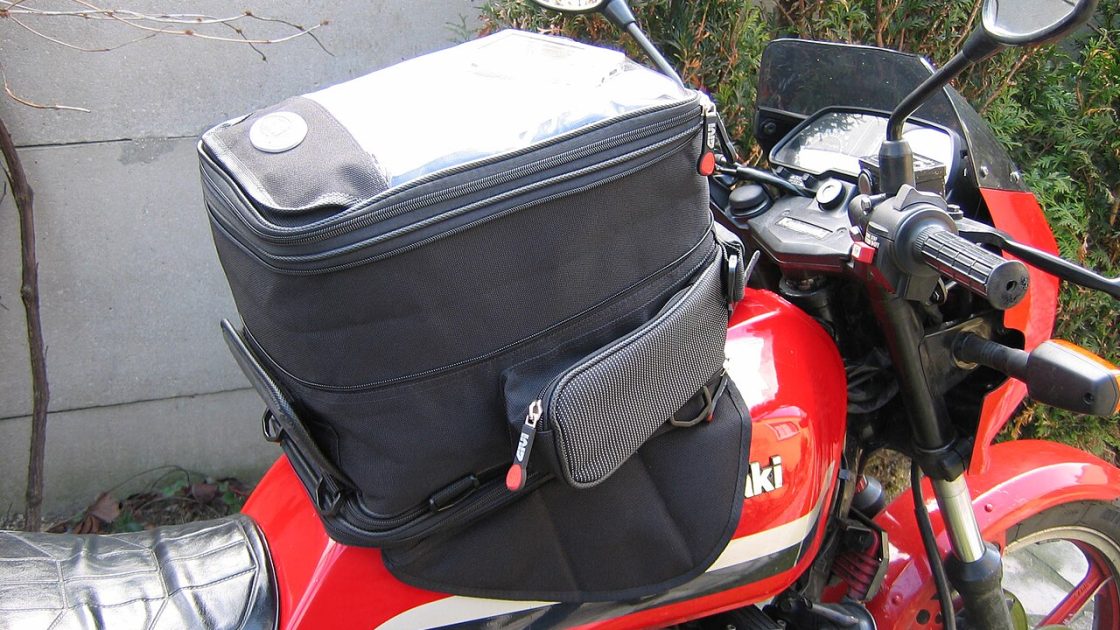
Tank bags are chosen for capacity and then fail on attachment. The mounting system decides whether the bag stays put at speed, scratches the paint or cannot be used at all on a plastic tank.
Magnetic mounts
Magnets are quick to fit and remove, and they work well on a steel tank. The bag sits directly on the paint, which is where the scratching happens.
Grit trapped under the bag acts like sandpaper for the whole ride. A protective film or a rubber mat under the magnets solves it, and skipping that step costs a respray.
Magnets also weaken with heat and age. A bag that held at fifty miles an hour when new can slide at seventy after two summers.
Strap mounts
Straps around the headstock and under the tank hold the bag without magnets, which makes them the only option on plastic or aluminium tanks. They are slower to fit and less convenient at a fuel stop.
Check that the straps do not foul the steering lock or the brake lines at full lock. A strap that catches the line can pull a banjo fitting loose.
Straps that rub on the tank will mark it. Route them through the frame where possible rather than across painted surfaces.
Ring and tank-lock mounts
A ring screwed to the fuel cap surround holds the bag on a collar above the tank, so the bag never touches the paint. It is the cleanest system and the most expensive.
It requires a bike-specific ring, and the ring has to be matched to the bag. Mixing brands usually does not work.
Filling up means releasing the bag, which is slower than flipping a magnetic bag aside. On a long trip that small friction is noticeable.
Size and visibility
A tall tank bag sits in the rider’s line of sight to the instruments. That is a safety problem rather than a convenience one, and it is easy to overlook when buying online.
Sit on the bike with the bag fitted before deciding. A bag that hides the speedometer will be annoying within a mile.
Small bags of five to eight litres cover phone, wallet and waterproofs. Anything larger starts to interfere with steering and with the rider’s chest on a sporty bike.
A bag with a map pocket on top is useful on a trip and rarely used on a commute. Buy for the riding you do most, not for the trip you are planning.
Water and electrics
Tank bags are exposed to the worst of the weather and the airflow. A bag with a waterproof cover that packs into its own pocket is more useful than one with a shower-resistant shell.
If the bag has a clear phone pocket, check that the phone does not overheat in direct sun. A phone in a sealed pocket on a hot tank can shut down from temperature.
Cable routing for a charging lead needs a strain relief at the bag. A lead that pulls tight on full lock will eventually break at the plug.
Switching between bikes
Magnetic bags move between bikes easily, which is their main advantage for a rider with more than one machine. Ring mounts are tied to one bike and one cap surround.
Strap bags sit in between: portable enough to move, secure enough for a plastic tank. They are the pragmatic choice for a rider who changes bikes.
Keep the straps with the bag, labelled, so the fitting is repeatable. A bag refitted the wrong way round is a bag that moves at speed.
The bag matters less than how it is held on. Match the mount to the tank material, protect the paint, and check the sight line before the first trip.
kristina estep
Logs parts and riding gear against distance and weather. Writes from the workshop, not the press launch.