Wheel Bearing Noise: How to Confirm It Before Replacing
 kristina estep
4 min read
August 3, 2026
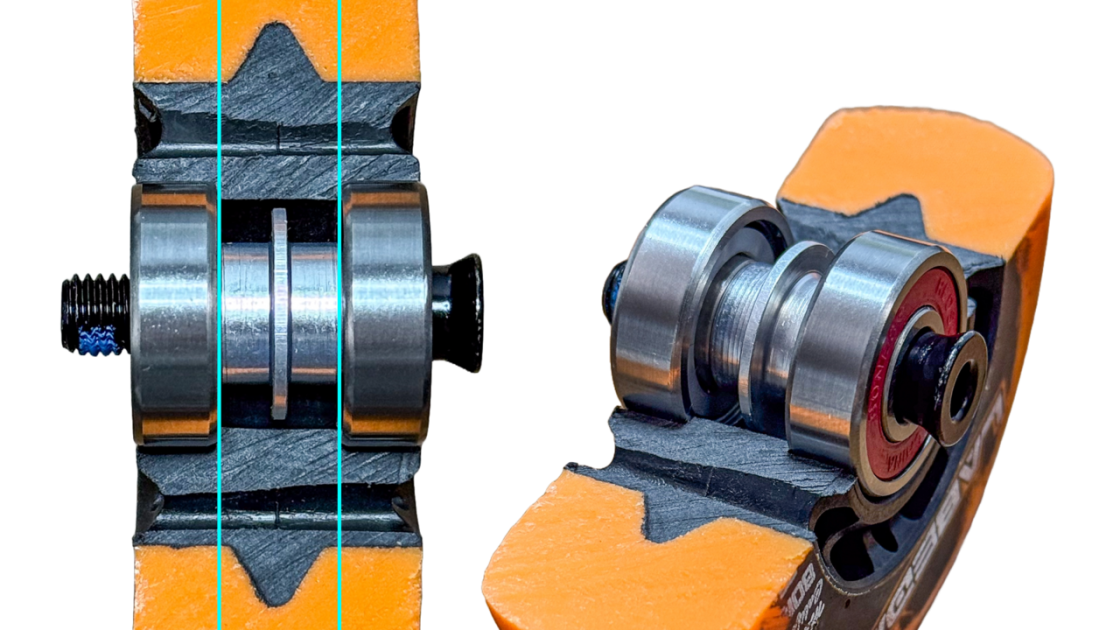
A noise from the front end sends many riders straight to a bearing kit. Brake pads, tyre tread and even a loose mudguard produce similar sounds, and a bearing that is fine will not be improved by replacing it.
Isolating the source
Ride slowly on a smooth surface and listen with the engine at a steady low speed. Bearing noise is a rhythmic rumble that changes with wheel speed rather than engine speed, which separates it from most drivetrain sounds.
Then pull the clutch or coast with the engine off in a safe place. If the noise persists unchanged, the engine and gearbox are ruled out, and the wheel is the remaining suspect.
Bearing noise also carries through the frame, so it can sound as though it comes from the middle of the bike. Resting a hand on the fork leg while coasting helps locate it.
The brake pad false positive
Pads that are nearly worn out produce a metallic scrape at low speed, and pads with a light glaze can hum. Both change when the brake is lightly applied, while bearing noise does not.
Apply the brake gently while coasting. If the sound stops or changes, look at the pads before the bearings.
A sticking caliper produces a rhythmic rub that changes with wheel speed and gets worse when the brake is released, because the pad is not retracting. That pattern is the opposite of bearing noise.
The wheel-off test
With the wheel removed, turn the inner race by hand. A healthy bearing feels smooth with slight resistance from the seal. A worn one feels gritty, notchy or has visible play when you rock the inner race against the outer.
Check both sides and the spacer. A collapsed spacer allows the bearing to be preloaded wrongly and produces a failure that looks like a bad bearing rather than a bad spacer.
Spin the wheel slowly and watch the gap between the disc and the pads. A disc that waves in and out points at runout, not at the hub bearings.
Grab the wheel at the top and bottom and try to rock it. Any perceptible movement with the axle tight is play in the bearing or a loose axle, and both need investigating before the next ride.
Seal and spacer wear
Water gets past a hardened or torn seal and takes the grease with it. A bearing that has run with water in it develops rust on the balls and fails quickly, often within a few hundred miles of the first noise.
Replace the seals with the bearings as a matter of course. New bearings behind old seals are a short-lived repair.
When it is not the bearing
Worn tyre tread blocks, a loose brake disc, a cracked mudguard mount and a dry speedometer drive all produce noises that owners attribute to bearings. Each is cheaper to fix and each is checked in a minute.
Lift the front wheel and spin it while watching for runout or a wobbling disc. Anything that moves that should not is a better explanation than a bearing.
Use a bearing driver that contacts the outer race, or a socket of the right diameter. Hammering the inner race transfers the load through the balls and damages new bearings before they are fitted.
Replacing them properly
Drive bearings out with a proper drift on the outer race, never on the inner. Fit new ones with a press or a socket that contacts the outer race only.
Torque the axle to specification and recheck for play after a hundred miles. Bearings that are over-preloaded by a mis-sequenced spacer will fail again quickly.
Confirm it is the bearing, replace the seals with it, and torque the axle properly. That sequence avoids most of the repeat failures that get blamed on cheap parts.
Confirm the diagnosis before buying the kit. A rumble that changes with the brake is not a bearing, and the money saved by checking is worth more than the hour spent.
kristina estep
Logs parts and riding gear against distance and weather. Writes from the workshop, not the press launch.