Tubeless vs Tube Tyres on Spoked Wheels
 kristina estep
4 min read
August 14, 2026
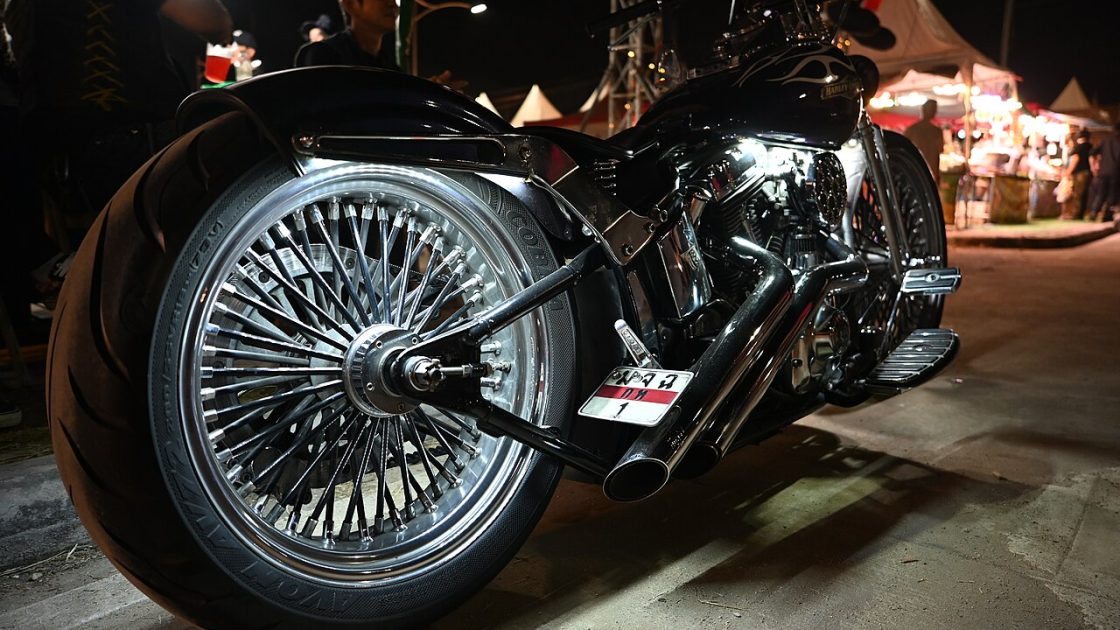
Spoked wheels are assumed to need tubes, and that assumption costs touring riders puncture repairs they could have avoided. Sealed rim tape and tubeless conversions have been reliable for years, and the trade-offs are worth understanding.
<h2 Why spoked wheels traditionally need tubes
Conventional spoked rims have the nipple protruding into the tyre cavity, so air escapes through the spoke holes. A tube solves that by holding the air separately from the rim.
That arrangement works, and it also means a puncture deflates quickly because the tube tears rather than sealing around a nail.
A tube also adds unsprung weight and a little rolling resistance. On a small bike that difference is noticeable; on a heavy tourer it is lost in the noise.
Sealed spoked rims
Some manufacturers build spoked wheels with the nipple bed outside the air cavity, which allows tubeless tyres. Others rely on a sealing tape and a special valve to achieve the same result on a conventional rim.
The conversion needs a clean rim bed, a wide tape that covers every spoke hole and a tubeless valve. Done properly it holds air for years; done badly it leaks slowly and mysteriously.
Sealing tape needs to be applied to a spotless surface, and any spoke nipple that protrudes will eventually wear through it. A rim with deep spoke beds benefits from a rubber strip under the tape.
Check the seal after a week and again after a month. A slow leak at a spoke hole shows up as pressure loss with no visible puncture, and it is easy to mistake for a bad valve.
The puncture argument
A tubeless tyre with a nail in it usually loses pressure slowly, and a plug kit fixes it at the roadside in ten minutes. A tubed tyre deflates fast and needs the wheel out to repair.
On a tour far from help, that difference matters more than any performance consideration. It is the main reason riders convert.
Carry a plug kit and a small compressor if you convert. The whole point of tubeless on tour is being able to repair at the roadside, and the tools are useless at home in the garage.
What tubeless does not fix
A tubeless tyre still cannot be repaired if the sidewall is torn or the bead is damaged. A big hit on a pothole can end the ride either way.
Rim sealing also does not help if the tyre itself is a tube-type design. Tube-type tyres have a different bead and should not be run tubeless regardless of the rim.
A tube also protects the rim from a sharp edge in a way that a tubeless tyre does not, because the tube adds a layer between the tyre and the rim bed. On rocky ground that matters.
Heat and pressure
A tube adds friction against the inside of the tyre, which raises running temperature. Tubeless runs cooler, which is a real benefit on a loaded bike in summer.
Pressures need checking either way, but a tubeless set-up tolerates a slightly lower pressure without the risk of pinching a tube against the rim.
If a rim has been converted and later needs a spoke replaced, the tape has to come off and go back on. Budget for that in both time and tape.
Doing the conversion properly
Clean the rim bed with solvent, inspect for sharp edges and cover every spoke hole with a tape that is wider than the bed. Two layers gives more margin than one.
Fit a new tubeless valve, mount the tyre and seat the bead with a fast burst of air. If the bead will not seat, the tape is usually the problem rather than the tyre.
Tubes are simple and tubeless is repairable. On a spoked rim the deciding question is whether the rim seals properly, and that is answered by a week of pressure checks rather than by opinion.
Tubes are simple and reliable, and tubeless is repairable and cooler. On a spoked rim the deciding question is whether the rim can be sealed properly, not whether the idea works.
kristina estep
Logs parts and riding gear against distance and weather. Writes from the workshop, not the press launch.