Valve Clearance Checks: When the Interval Is Real
 kristina estep
4 min read
August 15, 2026
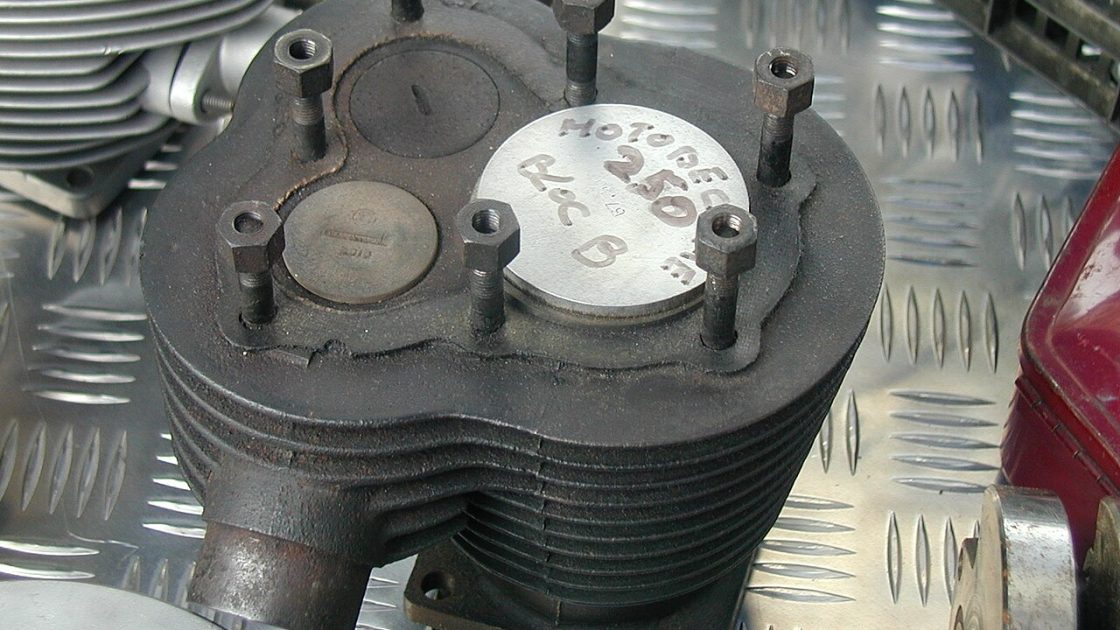
Valve clearance is the service item most often skipped, because a bike with tight valves still runs quietly. It runs quietly right up to the point where a valve burns, and then it does not run at all.
What clearance does
Valves expand as they heat. The clearance is the gap left so that a hot valve still closes fully against its seat.
Too little clearance and the valve is held slightly open. It leaks combustion gas past the seat, which burns the valve face and can drop compression on that cylinder.
Too much clearance and the valve train is noisy, the cam lobe wears faster and the valve opens less, which costs power. Excess clearance is annoying; insufficient clearance is destructive.
Why clearances close up
As a valve seats itself into the head over time, it sits deeper and the clearance shrinks. That is why the check interval exists even on engines that never need adjustment.
Seat recession accelerates with heat and with lean running. A bike with a partly blocked injector or a lean map closes its clearances faster than the manual expects.
Hard riding and high mileage both bring the check forward. A bike used for track days should be checked earlier than the book suggests.
The symptoms
Hard starting, a rough idle, a misfire that appears when hot and a loss of top-end power all point at tight valves. The engine may also run hotter than usual.
A distinct ticking from the top end usually means excessive clearance, which is the safer failure but still needs attention.
None of these symptoms appear until the clearance is well out of specification, which is why checking is more reliable than listening.
Doing the check
Work on a cold engine unless the manual specifies otherwise. Clearances are quoted cold for a reason, and a warm engine gives readings that are out by a meaningful margin.
Remove the covers, rotate the engine to the specified position and check each valve with a feeler gauge. The gauge should slide with slight drag at the correct clearance.
Record every reading before adjusting anything. A record across services shows which valves are moving and how fast.
Adjustment methods
Shim-under-bucket designs need the cams out or a special tool, and the correct shim has to be calculated from the measured clearance and the current shim size.
Screw-and-locknut designs are simpler: loosen the locknut, turn the adjuster, hold it and retighten. Check the clearance again after tightening, because the nut moves the adjuster slightly.
Either way, recheck every valve after adjustment and rotate the engine twice to confirm the readings repeat.
Related items while you are in there
The cam cover gasket and the spark plug well seals are usually hardened by the time a clearance check is due. Replace them rather than reusing them.
Check the cam chain tensioner and the timing marks while the cover is off. Both are easy to inspect at this point and awkward to reach later.
Clean the cam cover breather and check the plug condition. The plugs tell you whether the mixture is right, which affects how fast the clearances move.
Interval reality
The book interval assumes normal use and correct fuelling. A bike that does short trips, runs lean or has covered high mileage needs the check sooner.
If the first check at the specified mileage shows everything in specification, the interval is probably realistic. If two or three valves are at the limit, shorten the next interval.
Write the readings in the service record. The next owner, or the next version of you, will need them.
Tight valves are quiet and expensive. Checking on the interval, and sooner if the engine is worked hard, is what keeps a cylinder head out of the repair list.
kristina estep
Logs parts and riding gear against distance and weather. Writes from the workshop, not the press launch.