When to Replace Motorcycle Tyres by Age, Not Tread
 kristina estep
4 min read
July 10, 2026
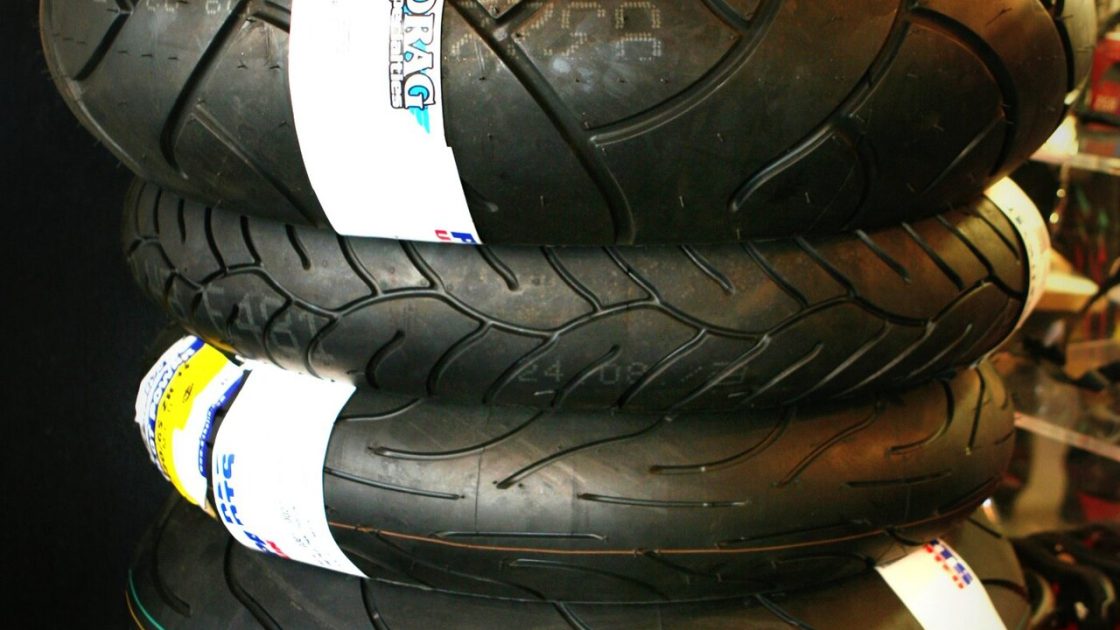
Tread depth is the only wear indicator most riders check, and it is the one that matters least on a low-mileage bike. A tyre with plenty of tread left can be six years old, hardened and considerably less grippy than it was new.
What happens as rubber ages
The compounds that give a tyre its grip are volatile, and they migrate out of the rubber over time. What remains is harder, which is why an old tyre feels skittish in the wet long before the tread is gone.
Ageing accelerates with heat, sunlight and ozone. A bike stored outside under a cover fares worse than one in a dark garage, and a bike kept near an electric motor or a welder fares worse again.
A tyre that has been run at low pressure for years also ages faster, because the extra flex generates heat in the carcass. Age and abuse compound, and neither shows in the tread depth.
The date code
Every tyre carries a four-digit code stamped into the sidewall, week and year. A code reading 2419 means the twenty-fourth week of 2019, and that is the date the tyre was made, not the date it was fitted.
Six years is the common replacement point for a road tyre regardless of tread. Some manufacturers allow longer on a tyre that has been stored correctly, and none recommend more than ten.
Tread still matters
Age does not cancel the legal minimum. A tyre worn to the wear bars is finished no matter how recently it was made, because water clearance is gone and the carcass is closer to the road than it should be.
Wear bars sit in the grooves and are easy to miss. Look for the small raised bridges and replace when the surface is level with them.
Cracks that reach the carcass are a hard stop. Crazing on the surface is a warning, and a tyre with visible cords or bulges should not be ridden at all.
Signs of a hardened tyre
Sidewalls that have gone slightly shiny, small cracks at the base of the tread blocks and a rubber surface that feels slick rather than tacky all point the same way.
A tyre that spins up easily in the wet on a bike that used to grip, or that squeals under braking it previously handled, has lost compound softness rather than tread depth.
Mixing ages across an axle
Fitting one new tyre next to an old one is common and usually acceptable, provided both are the same construction. On a bike with a matched pair, a large age gap makes the front and rear behave differently at the limit.
Replace as a pair when the age difference exceeds a couple of years. Grip that arrives at different moments at each end is worse than slightly less grip at both.
Ask the fitter to write the date code on the invoice. It sounds fussy and it settles any argument later about what was actually supplied.
Storage and buying old stock
Check the date code before the tyre is fitted, not after. Dealers occasionally sell old stock at a discount, and a tyre that is already four years old has a short life ahead of it.
Store spare tyres out of sunlight, away from solvents and off a concrete floor if possible. A tyre kept badly for two years can behave like a five-year-old one.
Both numbers decide the replacement: tread for the miles left and the code for the grip left. On a low-mileage bike the code usually speaks first.
Tread tells you how much rubber is left and the date code tells you how much grip is left. On a bike that covers few miles, the second number usually runs out first.
kristina estep
Logs parts and riding gear against distance and weather. Writes from the workshop, not the press launch.