Torque Wrench Basics for Motorcycle Fasteners
 kristina estep
4 min read
May 20, 2026
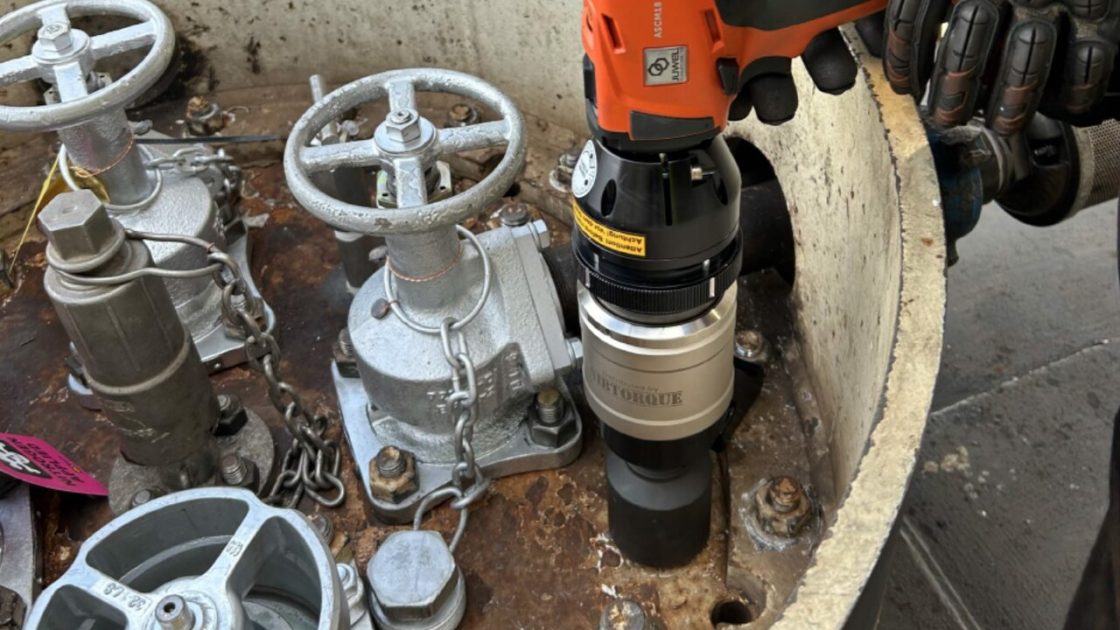
Torque values are treated as a formality until a bolt strips or a wheel comes loose. A torque wrench is only useful if it is the right size, used correctly and checked occasionally.
Why the number matters
A bolt holds by stretching slightly. Too little torque and it works loose under vibration; too much and it stretches past its elastic limit, at which point it holds less than it did before.
Aluminium cases and fork legs are where over-torque does the most damage. A stripped thread in a sump turns a ten-minute job into an engine-out repair.
Critical fasteners such as axle nuts, brake caliper bolts and suspension linkages have specified values because the consequences of getting them wrong are serious.
Choosing the right wrench
A wrench is accurate in the middle of its range and least accurate at the extremes. For motorcycle work, a wrench covering roughly twenty to a hundred newton metres handles most fasteners.
A second, smaller wrench for the five to twenty range is worth having if you work on covers and brackets. Using a big wrench at its minimum setting is unreliable.
Click-type wrenches are the practical choice. Beam wrenches are accurate and awkward in tight spaces, and digital ones cost more than most home mechanics need.
Using it correctly
Set the value, then tighten smoothly until the click. Do not continue past the click to be sure, and do not use the wrench to loosen anything.
Hold the handle at the marked grip point. Holding it near the head changes the effective length and the applied torque.
For a fastener reached with an extension or a universal joint, the reading drifts. Extensions in line with the wrench are fine; adaptors at an angle need a correction factor.
Thread condition and lubrication
Torque figures usually assume clean, lightly oiled threads unless stated otherwise. Dry or corroded threads give a false reading because friction absorbs part of the force.
Clean the threads and remove old thread-locker before torquing. A bolt with dried compound on it will read as tight while holding less than intended.
Where the manual specifies a new bolt, use a new bolt. Torque-to-yield fasteners are designed to stretch once and are not reusable.
Sequences and multiple bolts
Anything held by several bolts is tightened in stages and in a pattern. A cylinder head or a wheel with five bolts tightened one at a time in a circle distorts the part.
Bring all the bolts to a low torque first, then work up in two or three stages to the final figure. That sequence is as important as the number.
Diagonal patterns for four bolts and star patterns for five or more are the standard approach.
Storage and calibration
Wind a click wrench back to its lowest setting before storing it. Leaving it loaded weakens the spring and the wrench reads low.
Do not use it as a breaker bar and do not drop it. A dropped wrench may still click, but not at the value on the scale.
Check it against a known weight or a borrowed calibrated wrench once a year if you use it often. A wrench that is ten percent out is worse than no wrench, because it gives false confidence.
When to trust feel instead
For small fasteners into plastic, feel matters more than a wrench. A torque wrench set to six newton metres will still strip a thread in a plastic fairing boss.
Use the wrench where the manual gives a value and the fastener is structural. Use judgement on trim, and accept that trim bolts are meant to be snug rather than tight.
The number is only half the job. Clean threads, a wrench in its working range, a staged sequence and honest storage are what make the value mean what it says.
kristina estep
Logs parts and riding gear against distance and weather. Writes from the workshop, not the press launch.