Luggage Weight Limits and Where to Put the Load
 kristina estep
4 min read
September 23, 2026
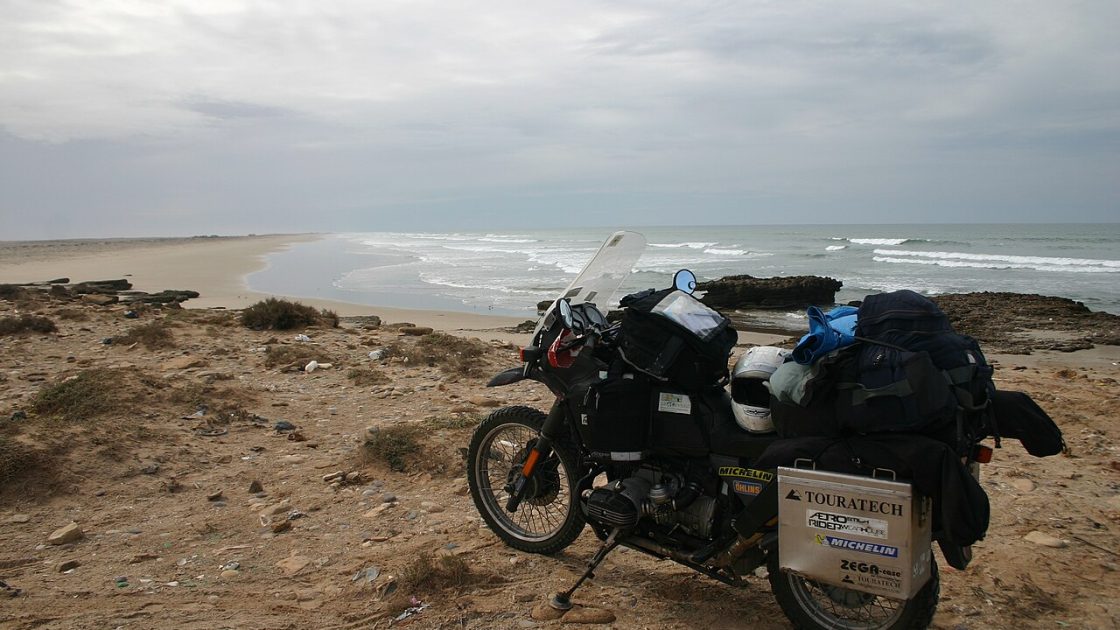
Touring loads are packed by volume and checked by nobody. A bike loaded past its limit does not fail immediately; it develops a weave at speed, and the rider usually blames the tyres.
The numbers that exist
Every bike has a maximum permitted weight, printed in the manual and often on a frame sticker. Subtract the bike’s wet weight and the rider’s weight with kit, and the remainder is what the luggage can weigh.
Panniers and top cases also have individual limits, usually printed inside the lid. A pannier rated for ten kilograms is not improved by being filled to twenty.
Those numbers are lower than most riders expect. A full set of camping gear plus tools and water routinely exceeds them.
Tank bags count toward the total as well, and they sit high and forward. Ten kilograms in a tank bag is a different problem from ten kilograms in a pannier, even though the scale reads the same.
Why the rear rack is the worst place
Weight behind the rear axle acts as a lever on the steering. It lightens the front wheel, which reduces grip and makes the bike slow to turn and prone to weaving.
A top case loaded with heavy items is the classic cause of a high-speed weave. Moving the same weight into the panniers transforms the handling.
Keep heavy items low and forward, ideally in the panniers near the axle or in a tank bag.
Front and rear balance
Luggage changes the front-to-rear weight distribution, and the suspension settings assume a solo rider. Adding weight at the rear without adjusting preload makes the bike sit low and steer slowly.
Set sag with the bike loaded before a trip. It takes five minutes and it is the single biggest improvement to a loaded bike’s behaviour.
If the bike feels vague with the load on, check preload before blaming the tyres.
A pillion adds their own weight limit, usually lower than the rider’s. Two heavy people plus luggage on a bike rated for a light rider is a common overload that nobody checks.
Packing by density
Put dense items low and close to the centre of the bike. Clothes and sleeping bags are bulky and light, and they belong at the top or in the top case.
Tools, water and cooking equipment are dense and belong at the bottom of a pannier. That single rule fixes most bad loading.
Keep the items you need during the day in one place. Repacking a pannier at the roadside in rain is a miserable way to start an afternoon.
Straps and security
Anything strapped on needs two independent fixings. A single strap that loosens lets the load shift, and a shifting load at speed is unpredictable.
Check the straps after the first twenty miles. Webbing stretches and knots settle, and a load that was tight at the start is often loose by lunchtime.
Keep straps away from the wheel and the exhaust. A strap that touches a hot exhaust melts and fails.
What to leave behind
Most touring loads contain items that are never used. A spare pair of boots, a full tool chest and three litres of water are common examples.
Weigh the packed bags before leaving. A luggage scale is cheap and it turns the weight limit from a rumour into a number.
Plan to buy water and food on the way rather than carrying them. Consumables are the easiest weight to remove from a bike.
Volume is what fills the bags and weight is what changes the handling. Packing dense items low and forward, checking the limit and setting sag is what makes a loaded bike feel like the same bike.
kristina estep
Logs parts and riding gear against distance and weather. Writes from the workshop, not the press launch.