Best Chain Lube for Commuter Bikes: Wax, Tacky or Dry Film
 kristina estep
4 min read
September 19, 2026
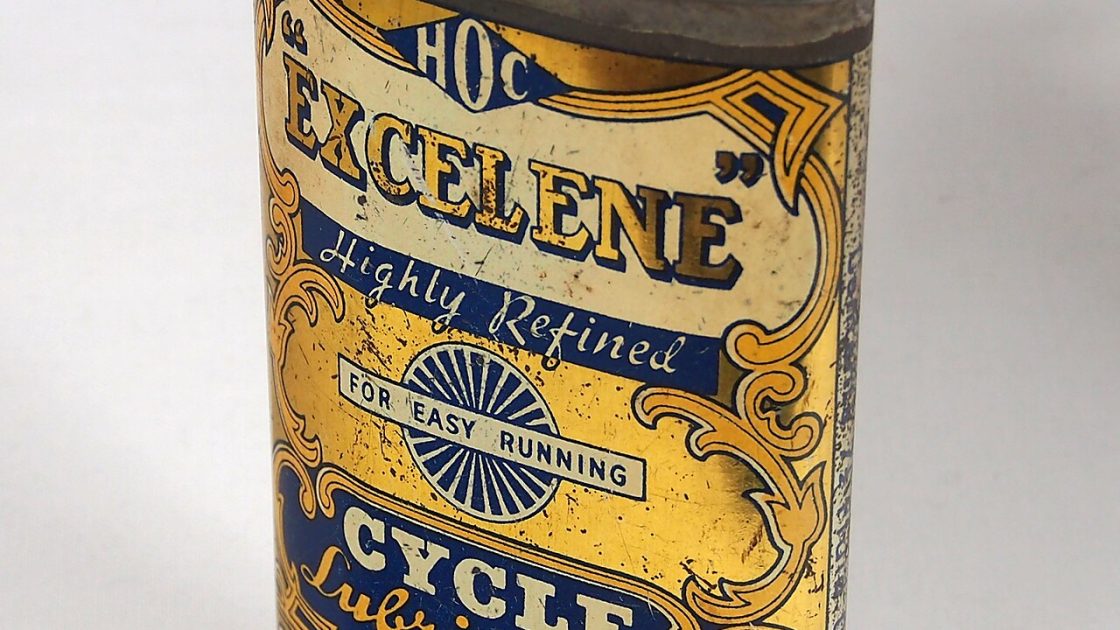
The shelf of chain lubes implies that one product is best and the rest are compromises. What actually matters is whether the lube survives your riding conditions, and no single formula covers wet salt and dry dust equally well.
Wax emulsions
Wax goes on wet and dries to a dry film that does not attract dust. It is the cleanest option for a bike that lives in a garage and runs mostly in dry weather.
Its weakness is water. Standing rain and repeated wet rides strip it off, and it offers little corrosion protection on bare plates.
Wax also needs a clean chain to bond. Applied over old grease it sits on top, dries, and flakes off within a hundred miles.
Tacky aerosols
Tacky lube stays wet and sticky, which means it clings through rain and stays put at speed. It also collects grit, turning into a grinding paste if you never clean the chain.
Used with regular cleaning, tacky lube is the best all-round choice for a commuter that sees weather. Used without cleaning, it accelerates wear.
In winter salt, tacky lube needs washing off more often than it needs topping up. Salt held against the plates by sticky lube does more damage than a dry chain.
Dry film and PTFE sprays
Dry films leave almost nothing visible and do not fling. They suit fair-weather riders and bikes with light-coloured rims where fling is a cosmetic problem.
They need frequent reapplication and they offer the least protection in sustained rain. Treat them as a dry-weather product with a short interval.
Dry film is the wrong choice for a bike parked outside in a wet climate. It offers almost no corrosion protection and the plates will flash over between rides.
Grease in a can
Heavy grease applied by brush or aerosol holds longest in winter salt and standing water. Application is messy and the excess must be wiped or it will pick up everything on the road.
For a bike ridden through a wet winter, grease is the pragmatic choice even though it looks worse than wax.
Grease works best applied thin and worked in with a brush while the chain is warm. A thick coat simply migrates onto the rim and the tyre sidewall.
Application matters more than formula
Spray the inside of the lower run while turning the wheel, so centrifugal force carries the lube outward through the rollers. Spraying the outside coats the plates and never reaches the pins.
Apply after a ride while the chain is warm, then wipe the excess after ten minutes. Most fling complaints are over-application, not bad product.
Keep one product per bike rather than mixing. Half-wax and half-grease produces a sticky film that holds grit and satisfies neither job.
What not to use
Used engine oil is free and it is also full of contaminants and it flings everywhere. WD-40 as a lubricant evaporates and leaves the chain drier than before, though it works fine as a water displacer after a wet ride.
Solvent-based cleaners should not be left on the seals. Clean, rinse, dry, then lube, in that order.
Wax is the clean answer, tacky is the durable answer, dry film is the cosmetic answer and grease is the winter answer. The chain does not care which bottle you bought, only whether the pins stayed coated between cleanings.
Pick the product for the weather you actually ride in, apply it to a clean warm chain, and wipe off what does not soak in. That routine matters more than the label.
A cheap lube applied often beats an expensive one applied rarely. The pins only need a film, and a film that is renewed is worth more than one applied in a thick coat once a season.
kristina estep
Logs parts and riding gear against distance and weather. Writes from the workshop, not the press launch.