Balancing Motorcycle Wheels at Home: Tools That Actually Work
 kristina estep
4 min read
May 15, 2026
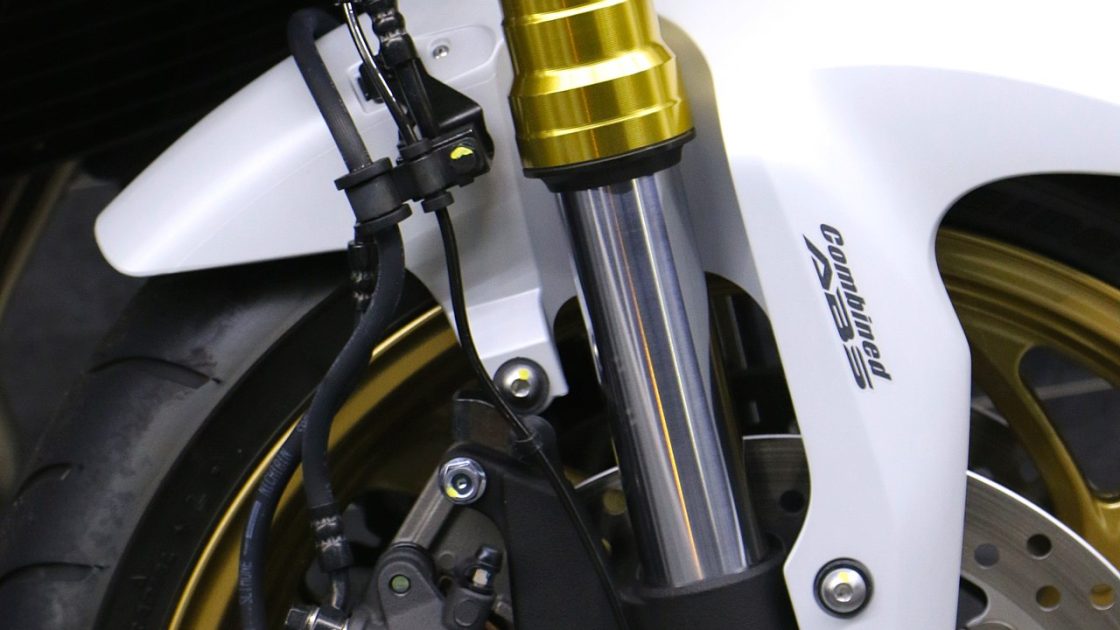
Wheel balancing is presented as a job that needs a shop machine. A static balancer costs less than a single tyre fitting and gets a road wheel within the tolerance that matters at legal speeds.
What balance actually means
A wheel with an uneven mass distribution rotates with a heavy spot that pulls against the suspension. At low speed it shows as a hop; at highway speed it becomes a vibration through the bars or the seat.
Static balancing corrects the heavy spot in one plane, which is enough for a narrow motorcycle wheel. Dynamic balancing, which also corrects a couple across the width, matters on wide car wheels more than on a bike.
A wheel that is out of balance also wears the tyre unevenly over time, because the heavy spot keeps pressing into the road at the same point on every rotation.
The static balancer
Two cones on a shaft supported by low-friction bearings is all it takes. The wheel is clamped, the shaft rests on the stands and gravity does the rest.
Let the wheel settle and mark the lowest point. That is the heavy spot, and weight goes on the opposite side until the wheel stops in random positions.
Balance with the tyre at riding pressure. A soft tyre changes the shape of the assembly and can shift the reading slightly, and it is the riding condition that matters.
Remove the brake disc and sprocket only if the balancer cannot accept them. Balancing the wheel as it runs on the bike is more accurate than balancing a bare rim.
Getting the axle friction right
A balancer with stiff bearings will hold the wheel anywhere and hide the imbalance. Spin the wheel gently and check that it rotates freely for several turns before trusting the result.
Clean bearings and a straight shaft are the whole trick. A bent shaft makes every wheel look out of balance.
A shaft that rolls on cone bearings with a light oil film is sensitive enough to show a five-gram imbalance. Rusty or dry bearings hide it, so keep the balancer clean and oiled.
Weights and placement
Adhesive weights go on the rim well, cleaned of grease first. Clip-on weights suit steel rims with a lip and stay put through rain.
Add weight in small increments. Chasing the last few grams on a road wheel is wasted effort, and a wheel that settles within a small arc is balanced well enough.
Put the valve stem at the top when you start. It keeps the starting position consistent, so a repeat check after a ride is comparable.
If the wheel needs a lot of weight, rotate the tyre a quarter turn on the rim and try again. That often reduces the amount needed by spreading the tyre’s heavy spot opposite the rim’s.
When to rebalance
Every tyre change, and again if a weight falls off. A valve or a tyre pressure sensor adds mass at one point, so a wheel that was balanced before the sensor was fitted is no longer balanced.
Check after the first hundred miles on new tyres. Tyres settle on the rim and the balance can shift slightly as they do.
Judging the result
Ride at the speed where the vibration used to appear and hold it steady. A balanced wheel runs smooth through that band, and any remaining buzz is more likely engine or road surface than balance.
If the vibration continues after balancing, check for a buckled rim, a tyre fitted with the dot in the wrong place or a worn bearing before adding more weight.
Balance every tyre change, recheck after the first hundred miles, and keep the balancer clean. The result is a wheel that behaves like a shop-balanced one at a fraction of the cost.
A static balancer and twenty minutes replace a shop visit for most tyre changes. The tool pays for itself on the second set, and the wheel ends up as true as the machine would make it.
kristina estep
Logs parts and riding gear against distance and weather. Writes from the workshop, not the press launch.