Bench Setup: What a Home Workshop Actually Needs
 kristina estep
4 min read
August 3, 2026
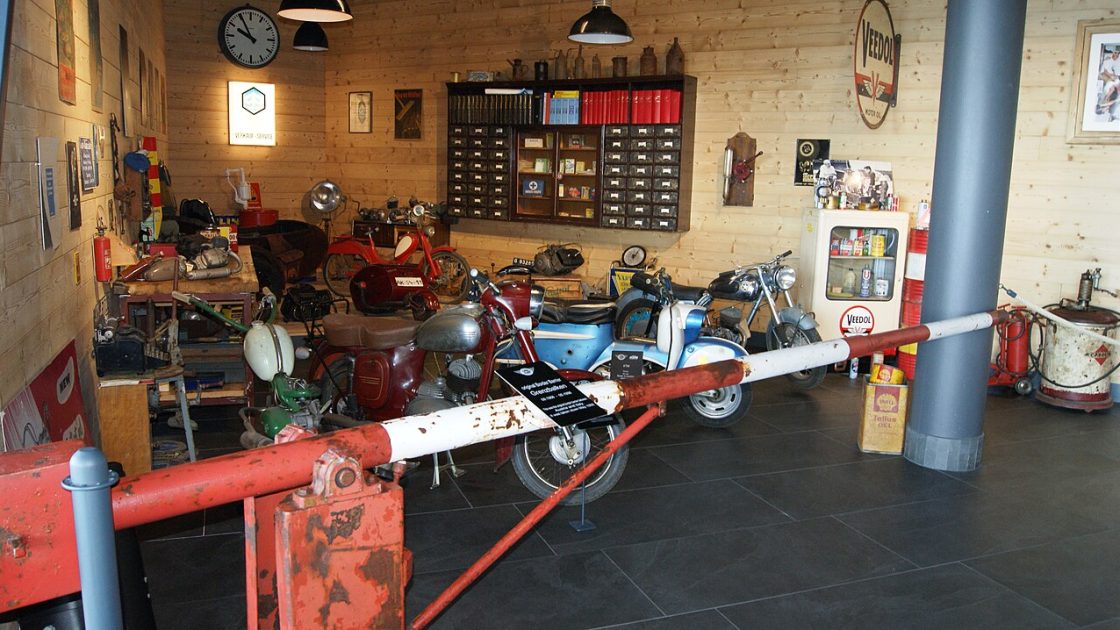
Home workshops are assembled by buying tool sets, and most of a set goes unused. The tools that earn their space are the ones matched to jobs that actually get done on the bike in front of you.
Lifting and access
A paddock stand or a centre stand is the first purchase. Almost every maintenance job needs the rear wheel off the ground, and working on a bike that is leaning is both awkward and unsafe.
A front stand that lifts under the steering head is the second. Fork and steering bearing work is impossible without it.
If space allows, a lift table saves a great deal of kneeling. It is the largest single purchase and the one that changes how often you work on the bike.
The core hand tools
A socket set in quarter and three-eighth drive covers most fasteners, plus a set of combination spanners in the sizes the bike actually uses. Buy the sizes rather than the biggest box.
Screwdrivers in Phillips and flat, plus a set of hex and Torx bits, cover the trim and the fasteners that sockets cannot reach.
Pliers, a small pick set and a magnetic retrieval tool are cheap and used constantly. A dropped bolt inside a fairing justifies all three.
Torque and measurement
One torque wrench in the twenty to a hundred newton metre range covers axles, calipers and suspension. A second small one helps with covers.
Vernier calipers and a feeler gauge set cover disc thickness, valve clearances and gap measurements. Both are inexpensive and both are needed for the jobs that matter.
A tyre pressure gauge and a tread depth gauge belong on the bench as well as in the kit. Checking at home is how you notice a slow leak before a ride.
Fluids and containment
A drain pan with a lid, a funnel set and a supply of rags are the unglamorous core. Oil changes are the most frequent job and the one most often done badly for want of a proper pan.
A container for used oil with a sealed lid makes disposal easy and stops the workshop smelling of it. Local recycling points take it, and a sealed container is what makes the trip possible.
Rubber gloves and a box of nitrile gloves cost little and get used every session.
Electrical basics
A multimeter is the most useful diagnostic tool in the workshop. Most electrical faults are found with voltage and continuity checks rather than by swapping parts.
A battery charger or tender keeps a bike usable through winter. A jump pack is a separate purchase and worth having for a bike that sits.
Learn to read the meter before buying accessories. A multimeter used well replaces a great deal of guessing.
What to skip at first
Full socket sets in every drive size, imperial tools on a metric bike, air tools and specialist engine tools are all purchases that can wait until a specific job demands them.
Cheap tools that break cost more than the right tool once, because they damage fasteners as well as themselves. Buy the sizes you need from a known brand rather than a large set of unknown quality.
Specialist tools for one job are worth borrowing or buying second-hand. Bearing pullers and valve spring compressors are used rarely and store badly.
Organisation
A pegboard or a wall rail keeps the tools you use visible, which is faster than any drawer system. Tools in a box get duplicated because nobody can find the first one.
Keep a notebook on the bench and write down settings, torque values and what was replaced. Memory is unreliable across a winter, and the notebook becomes the bike’s history.
Label the containers for bolts removed from a job. A coffee cup of mixed fasteners is how a fairing ends up with the wrong bolt in the wrong place.
The bench is built around the jobs, not around the catalogue. Lifting, sockets in the right sizes, a torque wrench and a drain pan cover most of what a home mechanic will ever do.
kristina estep
Logs parts and riding gear against distance and weather. Writes from the workshop, not the press launch.