Waterproof Motorcycle Gloves That Stay Waterproof After a Season
 kristina estep
4 min read
June 11, 2026
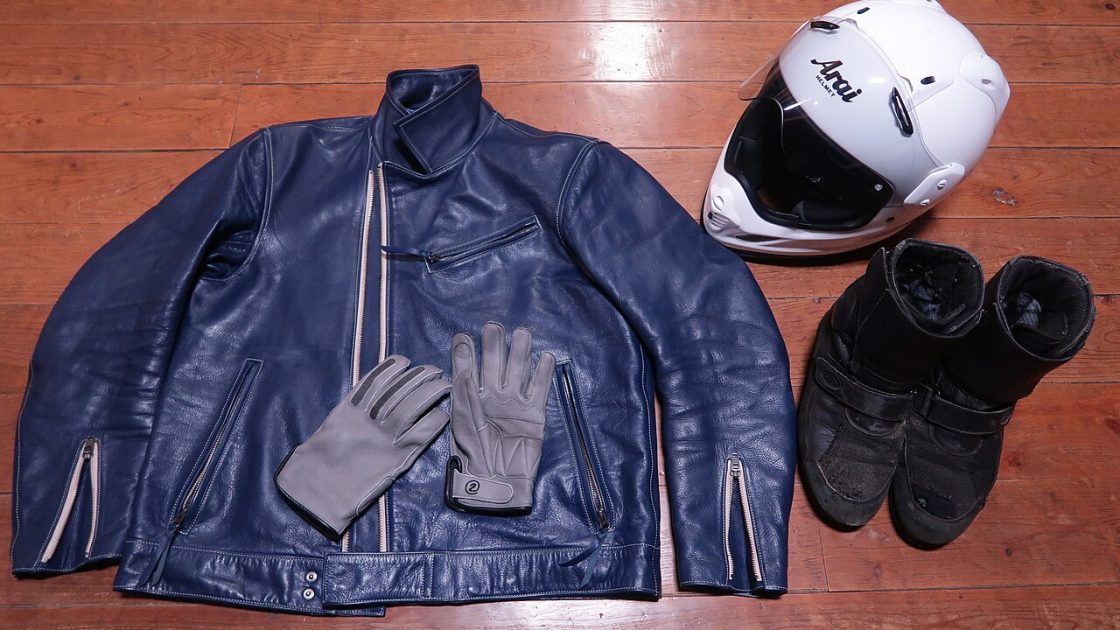
Waterproof gloves are judged on the first wet ride, when almost all of them pass. The useful question is whether they still keep water out after a winter of use, and the answer depends on construction rather than price.
Where water gets in
Most gloves fail at the seams and the cuff, not through the membrane. Water runs down the sleeve, into the cuff opening and soaks the liner from the inside, which feels exactly like a leaking glove.
A long gauntlet worn outside the jacket sleeve solves more leaks than any membrane upgrade.
A glove that soaks through at the cuff also wicks water up the sleeve by capillary action. That is why a soaked forearm often accompanies wet hands on a long ride.
Membrane construction
A laminated membrane bonded to the outer shell keeps the glove thin and prevents water logging the outer layer. A floating membrane is comfortable and cheaper, and it lets the outer shell soak up water until the glove feels heavy.
Both keep rain out. The laminated version stays lighter and dries faster, which matters on a multi-day ride.
Gore-Tex and similar membranes rely on a pressure difference to breathe. In warm rain the outside is wet and the inside is humid, so moisture builds up and the glove feels damp even when nothing has leaked.
That dampness is condensation, not a fault. Venting the cuff and shaking the glove out at a stop makes more difference than a different membrane.
Seams and stitching
Sealed seams are taped or welded. Stitched seams without sealing let water track along the thread, and that is where pinhole leaks appear after a season.
Turn the glove inside out and look at the seam finish. Visible sealing tape is a good sign; bare stitching on a waterproof glove is a warning.
A glove with a liner that is not attached will pull out with a wet hand and bunch at the fingers. Stitched-in liners are less comfortable to put on and far more reliable in rain.
The cuff and the closure
A single wrist strap is not enough in heavy rain. Look for a gauntlet that closes over the jacket cuff with a drawcord or a second strap, and wear it outside the sleeve.
Check the closure with the glove on and the arm bent as if holding the bars. A closure that gaps when the wrist flexes will let water in exactly when you are riding.
Visor wipers on the thumb and reflective panels on the back are the two details that separate a winter glove from a summer one with a membrane added.
Check the finger length with the hand closed around a bar. Gloves that are long in the finger pull off the lever when the hand is relaxed, and that is a control problem in traffic.
Grip and insulation in the wet
Wet leather grips differently from dry leather, and a smooth palm becomes slippery. Textile palms with a rubberised print keep hold of the bar in rain.
Insulation that soaks up water stops insulating. Synthetic liners dry faster and keep their loft when damp, which is why winter gloves use them.
Two pairs used alternately last longer than one pair used daily, because each has time to dry completely between rides. Damp storage is what kills membranes and leather alike.
Looking after them
Dry gloves at room temperature, away from radiators. Direct heat hardens the leather and can delaminate the membrane, and a glove dried on a radiator leaks within a month.
Treat leather with a conditioner that is compatible with the membrane. Most waterproof treatments belong on the outside of the leather, not on the membrane itself.
Re-proof the outer shell each season. Water beading on the surface keeps the leather from saturating and takes the load off the membrane.
Long gauntlet, sealed seams and proper drying. Those three decide whether the glove is still waterproof next season, and none of them appears in the marketing.
The first wet ride proves very little. Sealed seams, a long gauntlet and sensible drying are what keep a glove waterproof into its second winter.
kristina estep
Logs parts and riding gear against distance and weather. Writes from the workshop, not the press launch.