Tyre Warm-Up: Why Race Warmers Mislead Road Riders
 kristina estep
4 min read
May 27, 2026
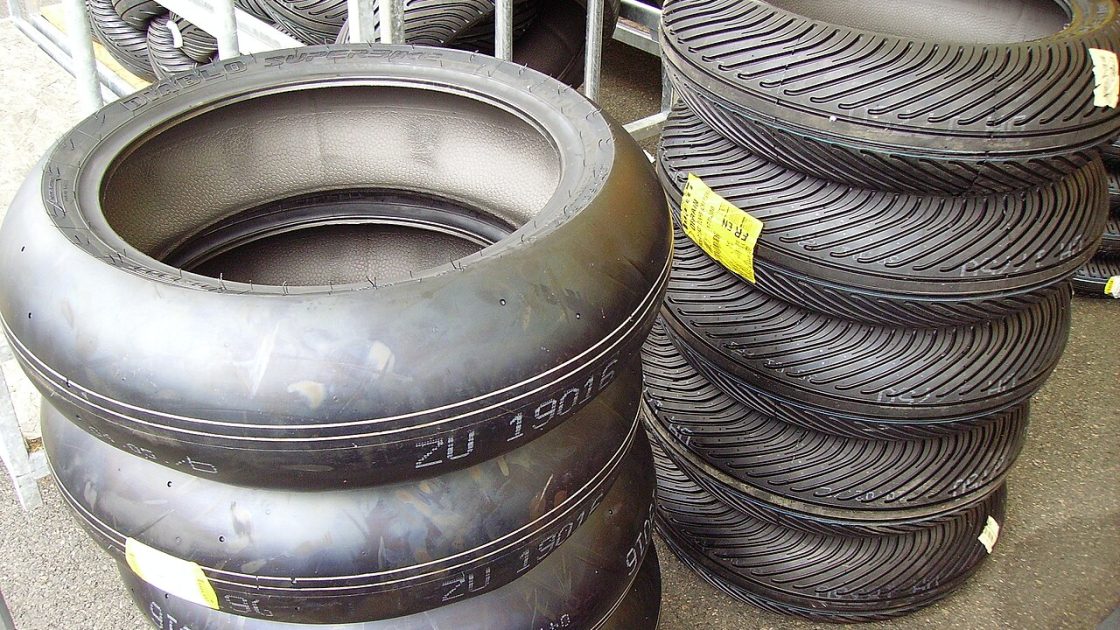
Watching a race crew fit warmers makes it look as though tyres need external heat to work. On the road, a tyre makes its own heat within a couple of miles, and the warmers would be solving a problem that does not exist.
Why race tyres need warmers
Racing slicks are built for a narrow temperature window and they offer very little grip below it. A cold slick can be genuinely dangerous, which is why warmers are mandatory equipment rather than a performance tweak.
A road tyre is designed for the opposite problem. It has to work from the moment a rider leaves a driveway in winter, so the compound and the tread pattern are tuned for a wide, low temperature range.
Warmers also keep the rim warm, which keeps tyre pressure stable across a stint. That consistency is what a race engineer is buying, not raw grip from a cold start.
How a road tyre warms
Heat comes from deformation. The carcass flexes as it rolls, and that flex converts into temperature in the rubber. Higher pressure reduces flex and slows the warm-up, which is one reason an over-inflated tyre feels wooden.
Braking and accelerating add heat through the contact patch, and cornering adds more. A steady two miles of normal riding does most of the work.
Pressure and warm-up interact in a way that catches riders out in winter. A tyre set to the summer figure in cold air runs stiffer, flexes less and stays cooler for longer.
Dropping a couple of psi in winter is reasonable for warm-up, as long as the pressure is still inside the range the tyre was designed for. Going far below it makes the steering vague.
The first mile is the risk
The dangerous period is the first mile, not the first corner. A cold tyre on a cold road has less grip, and the rider’s own judgement is also cold, which compounds the problem.
Treat the first mile as a warm-up for both parties. Gentle braking, gentle steering and no sudden throttle gives the tyre and the rider time to arrive at the same place.
Cold and wet together
Rain pulls heat out of a tyre faster than dry air, so a wet winter ride keeps the tyre cooler than the same route in summer. That is a compound issue the rider manages with smooth inputs, not with pressure tricks.
Lowering pressure to warm the tyre faster is counterproductive. It increases flex and heat, but it also increases the risk of overheating the carcass on a long fast run.
Braking generates more heat than accelerating, because the energy of the whole bike goes into the front contact patch. A few firm but smooth stops warm a front tyre faster than a mile of steady throttle.
What warmers would do on the road
A warmed tyre on a road bike would feel good for about ten minutes and then cool to ambient, because the road supplies no heat and the tyre only generates what the riding demands.
The gain is transient and the equipment is awkward. There is a reason no touring rider carries a set.
Riders moving from track days to touring often keep the warm-up habits and the pressures. Both belong to the circuit, and neither transfers usefully to a cold morning commute.
Track days are the exception
On a track day with repeated laps at high load, warmers reduce the number of laps wasted bringing tyres up to temperature. That is a convenience on a closed circuit, where the same corner is repeated fifty times.
Even there, the benefit is consistency rather than safety, because a road-legal track tyre works from cold as well.
Treat the first mile as the warm-up and the tyre will look after itself. The warmers on television are solving a problem that road tyres were designed not to have.
Race warmers exist because race tyres cannot work cold. Road tyres can, and the first mile of any ride is the warm-up that actually matters.
kristina estep
Logs parts and riding gear against distance and weather. Writes from the workshop, not the press launch.